

Overview of SAP S/4HANA Cloud
As Canadian businesses accelerate their digital transformation journeys, the demand for intelligent, scalable ERP solutions continues to grow. SAP S/4HANA Cloud in Canada provides a modern, future-ready platform that enables organizations to streamline operations, improve visibility, and make faster, data-driven decisions. Across industries such as manufacturing, retail, and professional services, companies in Canada are leveraging this solution to stay competitive in an increasingly dynamic market.
More than just a technology upgrade, SAP S/4HANA Cloud empowers businesses to simplify complex processes, enhance operational efficiency, and respond quickly to evolving customer demands. It lays the foundation for long-term growth and innovation.
Building a Strong Business Strategy
Achieving success with SAP S/4HANA Cloud begins with a clear and well-defined business strategy. Canadian organizations must identify their core objectives, whether it’s improving operational efficiency, enhancing customer experience, or enabling scalable growth.
Aligning business goals with technology capabilities is critical. Leadership teams and IT stakeholders should work together to define key performance indicators (KPIs) and measurable outcomes. Additionally, businesses must consider Canadian-specific requirements such as GST/HST compliance and financial reporting standards.
A strong strategic foundation ensures that organizations can maximize the value of SAP S/4HANA Cloud while minimizing risks and inefficiencies.
Choosing the Right Approach for SAP S/4HANA Cloud
Selecting the right approach is a key step for Canadian businesses aiming to get the most value from SAP S/4HANA Cloud. Every organization has different operational needs, existing systems, and growth goals, so choosing the right path ensures better alignment and long-term success.
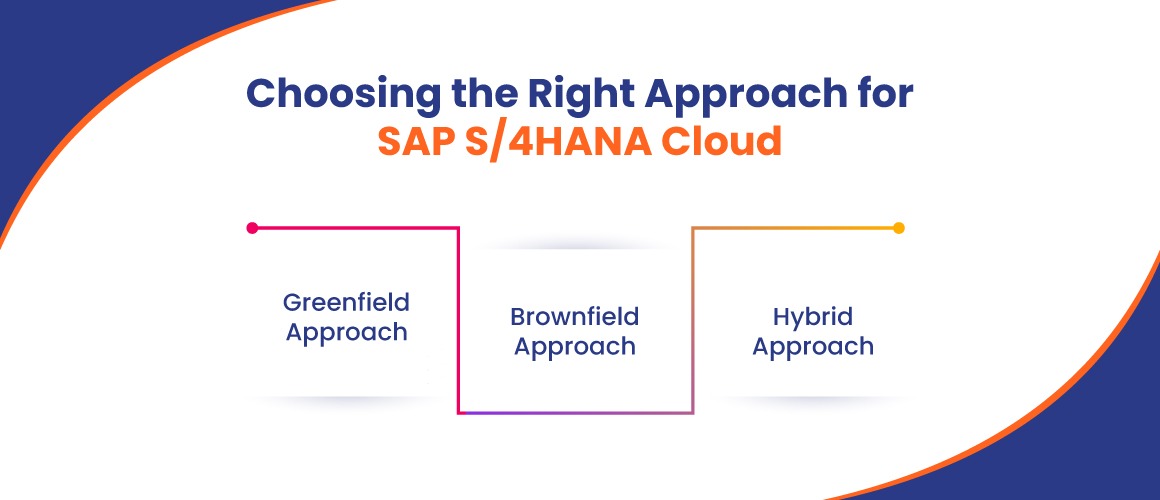 Greenfield Approach: Best suited for businesses looking to start fresh by redesigning processes and adopting modern best practices.
Brownfield Approach: Ideal for companies that want to enhance their current SAP environment while keeping existing data and workflows intact.
Hybrid Approach: A flexible option that allows businesses to modernize specific areas while maintaining critical legacy systems.
The right choice depends on factors such as business size, industry requirements, and current IT infrastructure. For many Canadian SMEs, a cloud-driven and scalable approach provides the flexibility needed to adapt quickly to changing market conditions while supporting future growth.
Preparing for a Smooth Transition
Preparation plays a vital role in ensuring success with SAP S/4HANA Cloud. Canadian businesses should evaluate their existing systems, processes, and data quality before moving forward.
Data readiness is especially important. Clean, accurate, and well-structured data enables better insights and prevents operational disruptions. Organizations should also review their workflows to identify inefficiencies and opportunities for improvement.
In addition, preparing teams for change is crucial. Clear communication, proper planning, and early engagement help reduce resistance and ensure a smoother transition across departments.
Best Practices for Maximizing Value
To fully leverage SAP S/4HANA Cloud, organizations should follow proven best practices that enhance performance and long-term outcomes. Adopting agile ways of working allows businesses to remain flexible and continuously improve their operations.
Regular system monitoring, testing, and feedback collection help identify areas for optimization. Canadian companies should also focus on integrating SAP S/4HANA Cloud with other essential systems such as CRM, eCommerce platforms, and analytics tools to create a connected digital ecosystem.
Working with experienced SAP experts can further improve outcomes by providing strategic guidance, industry knowledge, and ongoing support.
Driving User Adoption and Change Management
User adoption is one of the most critical factors in realizing the full value of SAP S/4HANA Cloud. Canadian organizations must invest in training programs, workshops, and continuous support to help employees effectively use the system.
Employees should clearly understand how the platform improves their daily tasks and overall productivity. Transparent communication about the benefits—such as automation, real-time insights, and improved efficiency helps build trust and encourages adoption.
A strong change management strategy ensures that employees are engaged, confident, and ready to embrace new ways of working.
Conclusion
Silver Touch Technologies Canada helps organizations drive business value with SAP S/4HANA Cloud through a strategic and well-structured approach. From defining clear business goals and selecting the right path to preparing teams and optimizing processes, each step plays a crucial role in achieving success.
Organizations that focus on continuous improvement, strong user adoption, and alignment with business objectives can unlock the full potential of SAP S/4HANA Cloud. By doing so, they position themselves for sustained growth, enhanced efficiency, and a competitive advantage in Canada’s evolving digital landscape.
FAQs
SAP S/4HANA Cloud is a modern, cloud-based ERP solution that helps Canadian businesses streamline operations, gain real-time visibility, and make data-driven decisions. It supports scalability, improves efficiency, and enables organizations to stay competitive in a rapidly evolving market.
SAP S/4HANA Cloud enables digital transformation by integrating core business processes, automating workflows, and providing real-time insights. Canadian companies can improve operational agility, enhance customer experience, and respond faster to market changes.
The right approach depends on business needs. A Greenfield approach is ideal for a fresh start, Brownfield is suitable for upgrading existing systems, and Hybrid offers a balance. Canadian organizations should choose based on their current infrastructure, goals, and scalability requirements.
LData preparation ensures that information is clean, accurate, and well-structured, which is essential for smooth system performance. For Canadian businesses, proper data readiness helps avoid disruptions, improves reporting accuracy, and enables better decision-making.
Successful user adoption requires proper training, clear communication, and ongoing support. Canadian businesses should focus on helping employees understand the benefits of the system, such as automation and real-time insights, to encourage engagement and productivity.